An Editorial Look at Old Kitchen Traditions
The Baking Soda - Honey Gelatin Ritual Grandfathers Once Kept on the Counter, Revisited for Men Over 50
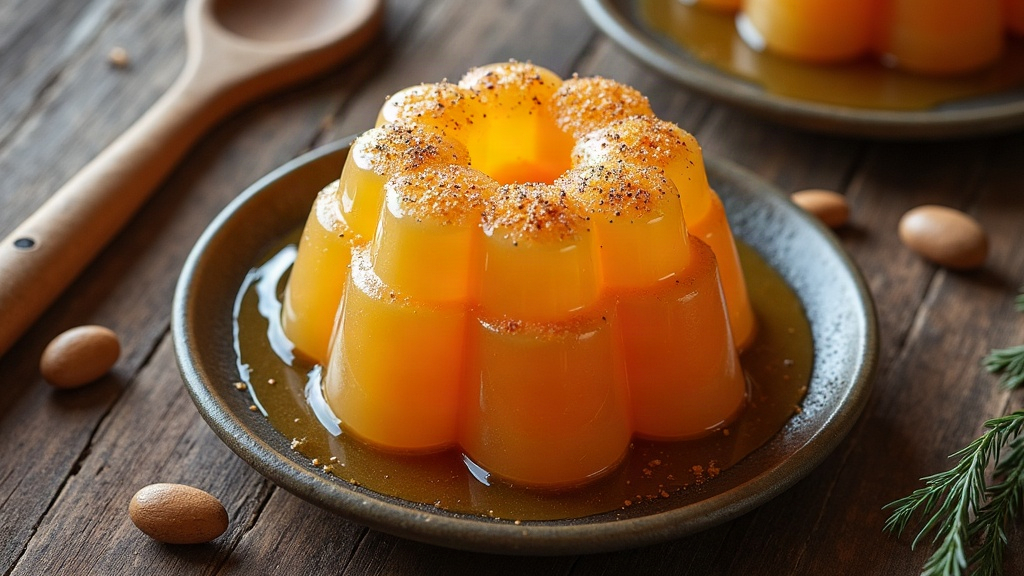
Picture a kitchen counter decades ago — a small jar labeled baking soda – honey gelatin, kept within reach for reasons rarely written down. This piece traces that quiet tradition and what it may still mean today.
What Changes After 50 That Nobody Talks About
It starts on an ordinary Tuesday morning. The alarm goes off at the same time it always has, but getting out of bed feels like a different negotiation than it did ten years ago. Men rarely mention these shifts out loud, yet they shape the small decisions of daily life — what gets eaten, how the evening winds down, which old habits quietly resurface.
The Morning That Feels Different
The first hour of the day used to run on autopilot. Now it asks for a little more patience before the body catches up with the schedule.
Restless Nights, Familiar Routines
Sleep stops being something you simply have and starts being something you think about — which is often when old family routines get a second look.
The Quiet Shift in Daily Rhythm
Energy doesn't disappear so much as redistribute itself across the day, and most men adjust without ever naming what changed.
Old Habits, New Questions
It's common to find yourself revisiting something a parent or grandparent used to do in the kitchen, wondering what exactly was behind it.
Readers Share What Brought Them to This Story

Illustrative composite examples. Individual results vary. Not a guarantee.
Kitchen Folklore vs. What's Actually Documented
Old household traditions tend to collect stories over the decades. Separating the folklore from the historical record is part of what makes this kind of reading worthwhile.
This was a secret formula passed down only in certain families.
Baking soda and honey-based gelatin preparations appear in home economics notes and community cookbooks across many regions, not as a guarded secret.
It was originally created as a medical treatment.
Historical references describe it primarily as a pantry staple and household preparation, not a clinical remedy.
The ingredients were rare or expensive at the time.
Both baking soda and honey were common, inexpensive staples in most households of that era, which is likely why the combination became widespread.
How the Old-Fashioned Preparation Was Typically Made
Historical accounts describe a fairly consistent process, passed along more by observation in the kitchen than by written recipe.
Gathering What Was Already on Hand
The preparation relied on ingredients most kitchens already stocked — nothing needed to be specially sourced or purchased.
A Slow, Unhurried Combination
Accounts describe a gentle, patient mixing process, often done in the evening as part of winding down the day.
Stored Simply, Used Sparingly
The result was typically kept in a small jar in the kitchen, used in modest amounts rather than as a daily fixture.
Where This Tradition Seems to Have Come From
Baking soda and honey both have long histories as household staples, appearing in kitchen ledgers and community recipe collections long before either ingredient carried any modern branding. The gelatin-based preparation associated with the two appears in regional home traditions, often attributed to grandmothers who learned it from their own mothers, with no single documented origin point. What’s consistent across these accounts is the emphasis on simplicity — a preparation made from what was already in the pantry, without specialized equipment or rare ingredients.
The recurring thread in these old accounts isn’t a formula — it’s the idea that some kitchen habits were kept simply because they were part of an evening routine, passed down more as ritual than recipe.
Signs Worth Paying Attention To As Habits Change
Noticeable Shifts in Sleep Patterns
A pattern that changes suddenly and stays changed is worth mentioning to a healthcare professional.
Unexplained Changes in Daily Energy
Energy dips that don't follow an identifiable pattern deserve a closer look rather than assumptions.
New Sensitivity to Foods or Routines
A reaction to something previously tolerated well is a signal worth noting, not ignoring.
Persistent Discomfort After Meals
Occasional discomfort is common, but a pattern that repeats is worth discussing with a professional.
Changes That Don't Match Known Habits
If something feels different without an obvious cause, it's reasonable to seek a professional opinion.
Ignoring a Pattern Because It's 'Just Age'
Attributing every change to getting older can sometimes mean overlooking something worth a proper conversation with a doctor.
Questions Readers Often Ask About This Topic
No. The references discussed here point to a home preparation with roots in older household traditions, not a manufactured product.
No. This is an editorial piece exploring a kitchen tradition and its documented history, not a set of instructions to follow.
Regional home cooking accounts suggest it was passed down informally within families rather than originating from a single documented source.
No. This content is educational and historical in nature and does not diagnose, treat, cure, or prevent anything.
The reflections and habits discussed here are commonly associated with lifestyle changes that many men notice around this stage of life.
The testimonials are illustrative composite examples intended to represent common reader reactions, not verified customer results.
Yes. Always speak with a qualified healthcare professional before making any changes based on information you read online.
There's More to This Story
This piece only scratches the surface of a tradition that quietly outlived the generation that started it. If the history interests you, the next page continues where this one leaves off.
Advertising Disclosure: This page contains sponsored content and affiliate links. We may receive compensation when readers click links or make purchases through this page. This does not influence our editorial perspective.
Content Disclaimer: This content is for educational and informational purposes only. Statements made here have not been evaluated by the Food and Drug Administration. This information is not intended to diagnose, treat, cure, or prevent any disease. Always consult a qualified healthcare professional before making changes to your routine.
Results Disclaimer: Individual experiences and results vary widely. Testimonials reflect personal opinions and are not a guarantee of any outcome.
Privacy Policy · Refund Policy · Shipping · Contact · Disclaimer
© 2026 · All Rights Reserved · Contact